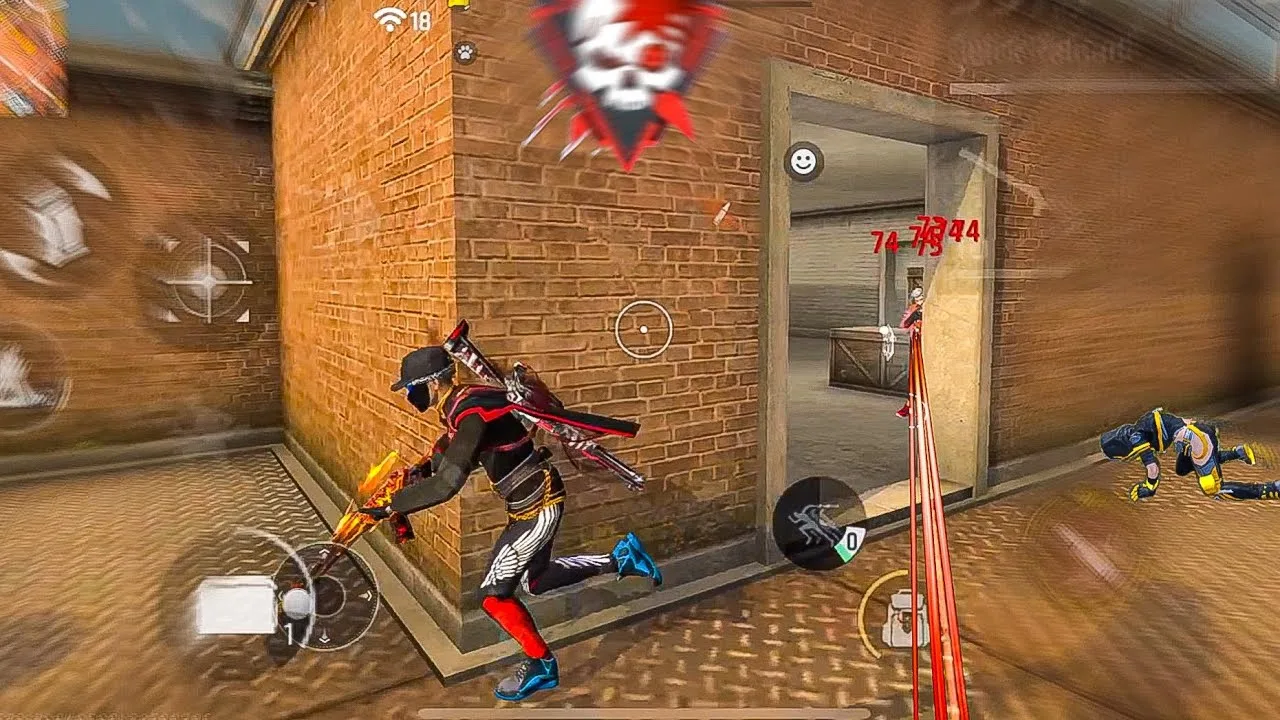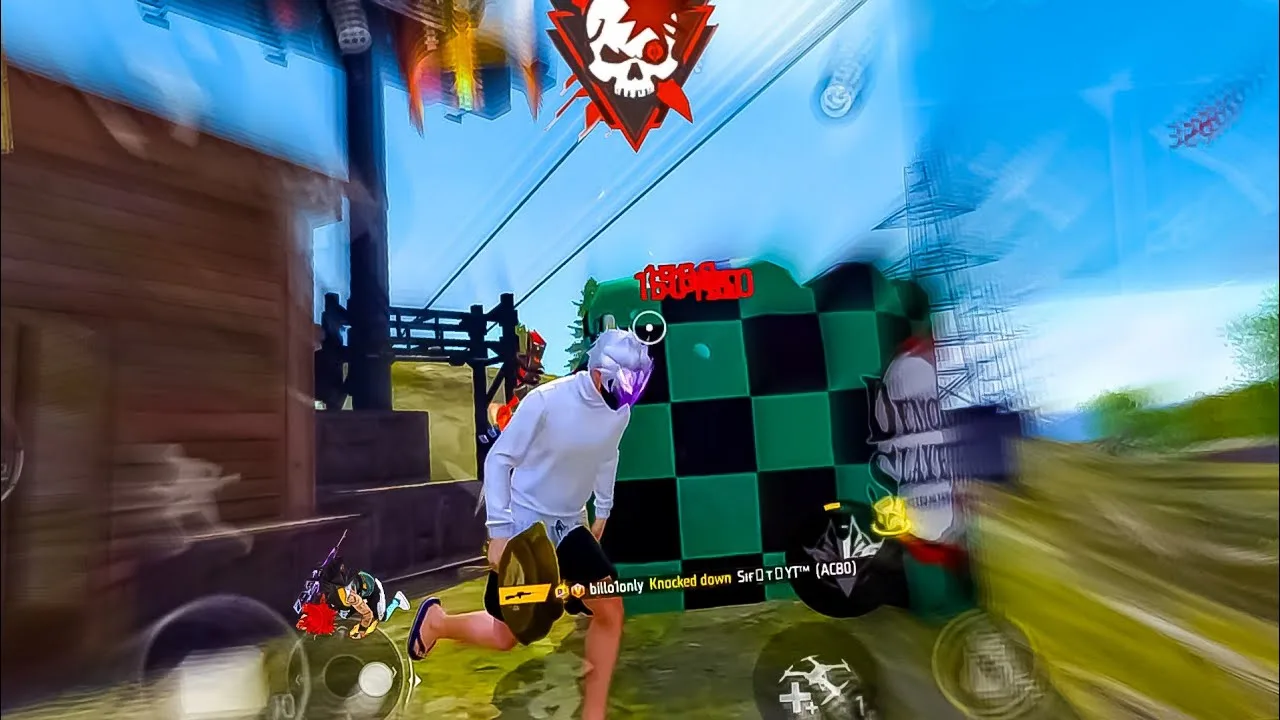
Headshot settings in FF Kipas Orange are the combination of sensitivity, DPI, and control choices that help your drag shots land at head level consistently. No single value creates headshots on its own; consistency comes from settings that match your hand speed and a technique you repeat the same way every time.
That is why this guide focuses on balance rather than extreme numbers. Start from a properly installed app through FF Kipas Orange utility for Android, set a stable base, and then shape the few values that most affect upward drag control.
The Settings That Matter Most for Headshots
General sensitivity and red dot sensitivity carry most of the weight for headshot play, because most drag headshots happen at close and mid range without a large scope. If those two values are unstable, no other adjustment will rescue the technique.
Before specialising, make sure your overall tuning is sound by working through the FF Kipas Orange sensitivity settings explained article. Headshot tips layered on top of a shaky base produce a few lucky shots and a lot of frustration, while the same tips on a stable base produce repeatable results.
Drag Technique Beats Raw Numbers
A drag headshot is a short, firm upward swipe timed with your shot, and the movement matters more than the exact slider position. The swipe should start near the target and finish just above it, with the same length and speed each time so your settings can do their part.
Practise the motion slowly first, even if that feels unnatural. Slow practice builds the exact hand path, and speed arrives on its own once the path is automatic. Players who practise only at full speed rehearse their mistakes at full speed as well.
Crosshair Placement Habits
Keep your crosshair travelling at chest to head height as you move, rather than pointing at the ground or the sky between fights. Good placement shortens every drag, and shorter drags are easier to control and far less sensitive to small setting errors.
Placement also reduces panic swipes. When an enemy appears close to where your crosshair already rests, a calm short drag replaces a wild long one, and your headshot rate rises simply because fewer shots begin from a bad position.
Building a Training Drill
Use short, focused drills instead of endless random practice. Spend a few minutes on stationary targets, then moving targets, then quick turns into a drag, and repeat the cycle. Each block isolates one part of the shot so you can feel exactly where it breaks down.
The structured routine described in testing FF Kipas Orange settings in training mode fits this perfectly, because it separates warm-up, testing, and review. Keep your drill results in mind when judging settings: change a value only when the same drill fails the same way several times.
Adjusting When Shots Miss High or Low
If your drags consistently finish above the head, your effective speed is slightly too high for your swipe, so reduce the relevant sensitivity a little or shorten your swipe. If shots land on the chest, the opposite applies: a touch more speed or a slightly longer drag.
Change one thing, then run the same drill again. Players who raise sensitivity, lengthen the swipe, and change DPI together learn nothing from the result, while a single small change gives a clear answer you can build on.
Putting It Into Practice
Putting building consistent headshot settings and technique into practice works best as a short, repeatable routine rather than a one-time effort. Set aside a calm session where you are not chasing wins, work through the points in this guide in order, and check each result on your own phone before moving to the next one. Most users discover that the first careful pass already removes the biggest problems, because the issues behind building consistent headshot settings and technique are usually ordinary ones: a value changed without testing, a permission quietly reset, a phone short on storage, or a habit copied from another player whose device and grip are nothing like yours. Treat anything you cannot verify as unfinished, and verify it in training before you trust it in a ranked match where mistakes cost more than time.
Keep a small written record as you go, noting what you changed, what you expected, and what actually happened, because building consistent headshot settings and technique becomes far easier the second and third time when the first attempt is documented instead of remembered. Share the routine with patience as well: give every change at least a few normal sessions before you judge it, since first impressions on a new setup are often wrong in both directions, feeling worse than it is on day one and better than it is after one lucky match. Players who build this kind of calm, documented habit improve steadily and troubleshoot calmly, while players who change things in a rush keep meeting the same problems in new forms. The goal is a setup you understand well enough to rebuild, adjust, and trust without thinking about it during the moments that decide a match, and that confidence is worth far more than any single copied number or hurried shortcut you will ever be offered.
Final Thoughts
Reliable headshots in FF Kipas Orange come from a stable base, a repeatable drag, disciplined crosshair placement, and drills that expose the same weakness until it disappears. Settings support that process; they never replace it.
Give every adjustment several sessions before judging it. Headshot consistency is a habit built over days, and the players who improve most are the ones who stop chasing new numbers and start refining one good setup.